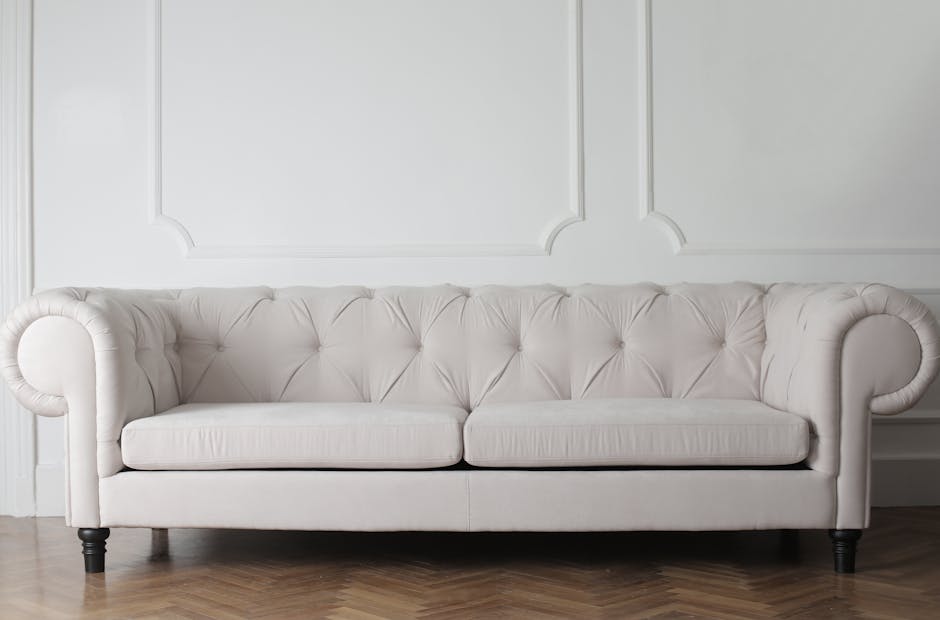
Upholstery cleaning for Roehampton Lane homes
If you live on Roehampton Lane, you already know how quickly everyday life leaves its mark on soft furnishings. A busy hallway, a favourite armchair by the window, the family sofa that sees tea, snacks, pets and the odd muddy shoe after a wet London afternoon - it all adds up. Upholstery cleaning for Roehampton Lane homes is not just about making fabric look nicer for a day or two. It is about removing embedded dirt, lifting odours, protecting fibres, and keeping the rooms you use most feeling fresh and comfortable.
In this guide, we will look at how upholstery cleaning works, when it makes sense, what to avoid, and how to get better results without being overly fussy about it. Truth be told, most people do not think about upholstery until it starts looking tired. By then, the fabric has often been quietly holding on to grime for months. Let's fix that.
Why upholstery cleaning for Roehampton Lane homes matters
Soft furnishings do a lot of work in a home. They absorb body oils, dust, crumbs, pet dander, pollen, drink spills, and the fine airborne particles that settle into fabric over time. On Roehampton Lane, where homes range from compact flats to larger family houses, that matters because rooms often do double duty. A dining chair may be used for homework, work calls, and supper. A sofa may be the place everyone piles onto at 8pm. Upholstery gets used hard, even if it does not always look dramatic.
That everyday use creates a few common problems. Fabric can look dull, cushions may start to smell stale, and high-contact areas can go greasy or dark. If there are children, pets, or frequent visitors, those effects arrive faster than most people expect. You may not notice it from across the room, but sit down close and the difference is obvious.
There is also the comfort factor. Clean upholstery simply feels better. It does not have that slightly dusty, lived-in heaviness that builds up when fibres are overloaded. And if you are trying to keep a home presentable for guests, tenants, or a sale, upholstery can quietly shape first impressions more than a lot of people realise.
Expert summary: regular upholstery care is not a luxury clean. It is part of sensible home maintenance, especially in busy London homes where fabrics pick up dirt faster than you think.
You can also pair it with broader home care if needed, such as domestic cleaning or a deeper refresh through deep cleaning when the whole property needs a reset.
How upholstery cleaning for Roehampton Lane homes works
At a practical level, upholstery cleaning follows a simple logic: identify the fabric, choose a safe method, remove loose debris, treat spots carefully, clean the textile, and dry it without leaving residue behind. The detail matters, though. Upholstery is not one material. A velvet armchair, a synthetic sofa, a linen footstool, and a leather dining seat all need slightly different handling. Using the wrong product can leave rings, texture changes, or colour loss. Not ideal, obviously.
A professional approach usually starts with inspection. The cleaner checks fibre type, visible staining, wear, previous treatments, and any care labels. That is how they decide whether hot water extraction, low-moisture cleaning, dry cleaning, or specialised spot treatment is most appropriate. Some fabrics tolerate more water than others; some need a gentler touch to avoid shrinkage or pile distortion.
Most methods then follow a sequence like this:
- Vacuum thoroughly to remove grit and dust from seams, crevices, and underneath cushions.
- Pre-treat visible marks with a fabric-safe solution.
- Agitate lightly where needed to loosen soil.
- Clean the surface using the chosen method.
- Extract or wipe away residue so the fabric is not left sticky.
- Allow controlled drying with good airflow.
That last step is bigger than it sounds. If upholstery stays damp for too long, you can get lingering smells or uneven results. On a damp London day, drying time may need a bit more patience. No one loves waiting for a sofa, but rushing it is worse.
If the piece is part of a larger refresh, it may make sense to combine upholstery care with sofa cleaning or rug cleaning so the room feels consistent rather than half-done.
Key benefits and practical advantages
The obvious benefit is appearance. Clean upholstery looks brighter, more even in colour, and better cared for. But the practical gains go further than that. In homes on Roehampton Lane, where fabric items often anchor the whole living space, a proper clean can change the feel of a room fast.
- Improved hygiene: removes built-up dirt, dust and everyday contaminants trapped in fibres.
- Better odour control: helps reduce stale smells from pets, spills, cooking odours and general use.
- Extended fabric life: removing abrasive grit can reduce wear on fibres and seams.
- More comfortable living spaces: clean upholstery feels fresher to sit on and use daily.
- Better presentation: useful before guests arrive, after tenancy changes, or when getting a property ready to sell.
- Reduced allergy triggers: while not a medical treatment, routine cleaning can lower the amount of dust sitting in soft furnishings.
There is another advantage people sometimes miss. Professional upholstery cleaning can help you spot problems early. Loose stitching, fading from sunlight, hidden staining, or damage under cushion covers become easier to notice once the fabric is properly cleaned. That gives you a chance to deal with issues before they grow arms and legs.
A well-cleaned sofa does not just look improved. It often reveals the real condition of the fabric, which is useful information in itself.
Who this is for and when it makes sense
Not every home needs upholstery cleaning at the same pace. Some households can leave it longer; others need more regular attention. The key is to look at use, not just age.
You are likely a good candidate if you have:
- children who eat, drink, and play on the furniture
- pets that shed hair or occasionally leave odours behind
- light-coloured upholstery that shows marks quickly
- a smoker in the household or strong cooking smells in open-plan rooms
- allergy concerns and a preference for reducing dust build-up
- rented accommodation that needs to stay presentable
- guest rooms or formal spaces that rarely get cleaned but still collect dust
It also makes sense before a big event. People tend to notice upholstery right away when they sit down. The same goes for moving out, refurbishing, or after a long winter indoors. Let's face it, the sofa tends to tell the truth about a home faster than the hallway does.
For landlords, letting agents, or tenants preparing a handover, upholstery cleaning can sit alongside end of tenancy cleaning. For busy households, it may be part of a broader one-off cleaning session when the place needs more than a tidy-up.
Step-by-step guidance
If you want to approach upholstery cleaning sensibly at home, or simply understand what a cleaner should be doing, this simple sequence helps.
1. Check the fabric first
Before any moisture or product touches the furniture, identify the fabric type. Cotton, polyester, wool blends, velvet, microfibre, and leather all react differently. If the care label is present, look at the cleaning code. If it is missing, be cautious and test in a hidden area.
2. Vacuum more thoroughly than you think you need to
Loose dirt acts like fine sandpaper when wet cleaning begins. Spend time on seams, piping, under cushions, and around buttons. You will notice how much hidden debris comes out. It is oddly satisfying, in a slightly grubby kind of way.
3. Treat spots carefully
Do not attack a stain with enthusiasm alone. Blot, do not scrub. Use a fabric-safe pre-treatment and work from the outside of the mark inward. Scrubbing can spread the stain and rough up the fibres.
4. Clean using the right method
Depending on the fabric, this may be steam-based hot water extraction, low-moisture encapsulation, or a gentler dry method. The best choice depends on how much water the textile can tolerate and how quickly it needs to dry.
5. Remove residue and accelerate drying
Any cleaning solution left behind can attract dirt again. Controlled extraction, a clean cloth, and decent airflow all help. Opening windows a little, if the weather allows, often works better than blasting the heating. A bit of air movement goes a long way.
6. Finish with a final inspection
Check for shading, missed spots, lingering marks, or uneven drying. It is much easier to correct a small issue immediately than to discover it the next morning when the room has been put back together.
Expert tips for better results
There are a few practical habits that make a noticeable difference, whether you are hiring help or maintaining furniture yourself.
- Test products first. Hidden areas are your friend. A tiny colour reaction now is better than a visible patch later.
- Deal with spills quickly. Fresh spills are far easier to manage than old ones that have dried deep into the weave.
- Lift cushions and clean underneath. Crumbs and grit collect there. Always.
- Rotate cushions. This spreads wear more evenly and keeps one seat from ageing faster than the others.
- Use slip covers or throws where sensible. Not everywhere, but in high-traffic family zones they can help.
- Think seasonally. Spring and early autumn are often the easiest times for cleaning because windows can be opened and drying is less awkward.
A small but useful tip: if a sofa smells musty, the cause is often not just the fabric surface. It can be trapped moisture, dust in the foam, or dirt under the cushions. Surface cleaning alone may help, but not fully solve it. That is why thorough inspection matters.
Households already looking at broader refresh work may also want to review house cleaning or even window cleaning at the same time. When several visible areas are improved together, the whole property tends to feel calmer and more sorted.
Common mistakes to avoid
Most upholstery problems after cleaning come from avoidable errors, not bad luck. A few are especially common.
- Using too much water: over-wetting can cause long drying times, water rings, or even damage to the foam beneath the fabric.
- Rubbing stains aggressively: this can spread marks and flatten the pile.
- Skipping the vacuum stage: dirt left in the fabric turns cleaning into a muddy mess.
- Using household cleaners blindly: some products are too strong or leave sticky residue.
- Ignoring care labels: what works on one armchair can ruin another.
- Not allowing proper drying: putting cushions back too soon can trap moisture and create odour.
Another mistake? Cleaning only the visible front surfaces. Arms, seat fronts, back cushions, piping, and the joins between fabric panels often carry the most soil. If you are paying for the work, or doing it yourself, you may as well do the whole job properly.
Tools, resources and recommendations
You do not need a warehouse full of equipment to maintain upholstery, but having the right basics makes a difference. For simple upkeep, a vacuum with a upholstery tool, a soft brush, clean white cloths, and a gentle fabric-safe cleaner are usually enough. For more stubborn jobs, professional-grade extraction equipment and specialist detergents are often more effective and safer.
If you are comparing service providers, ask sensible questions. What fabric types do they work with? Do they inspect before cleaning? How do they handle delicate textiles? What drying guidance do they give? Those questions are not fussy. They are normal. A good cleaner should welcome them.
It is also worth checking service information carefully, especially on matters like trust, payment, and safety. On this site, useful supporting pages include about us, pricing and quotes, payment and security, insurance and safety, and health and safety policy.
If you are unsure about fabrics, or if the item is valuable, antique, or simply awkward, it is usually better to ask for professional advice rather than improvise. A cautious clean is rarely the wrong clean.
Law, compliance and best practice
For most homeowners, upholstery cleaning is straightforward and not heavily regulated in the way some other services are. Still, sensible best practice matters. Reputable cleaners should work carefully, use products appropriately, and avoid making claims they cannot support. Where a fabric is delicate or a stain is uncertain, caution is the sensible standard.
In the UK, service businesses should also be clear about customer terms, privacy, complaints handling, and security of payments. That does not mean the average homeowner needs to memorise every policy, but it does mean you should expect transparency. If you are booking a professional clean, it is reasonable to review the provider's terms and conditions, privacy policy, and complaints procedure before confirming anything.
Environmental care can matter too. Some providers try to reduce waste, use water responsibly, or choose cleaning methods with lower environmental impact. If that matters to you, a page like recycling and sustainability is worth a look.
Small note: if anyone promises miracle stain removal on every fabric with no inspection, that is a bit of a red flag. Real upholstery care is more careful than that.
Options, methods, or comparison table
Different upholstery jobs call for different methods. The table below gives a simple, practical comparison.
| Method | Best for | Strengths | Limitations |
|---|---|---|---|
| Hot water extraction | Synthetic fabrics, durable sofas, general deep cleaning | Strong soil removal, good for embedded dirt | Longer drying, not ideal for all delicate fabrics |
| Low-moisture cleaning | Busy homes, quicker turnaround, mixed fabric use | Faster drying, less saturation | May not suit severe soiling as well |
| Dry cleaning | Delicate textiles and moisture-sensitive pieces | Gentler on some fabrics, reduced water risk | Can be less effective on deep grime |
| Spot treatment only | Small isolated marks | Fast and targeted | Not a full clean; can leave surrounding soil untouched |
For most Roehampton Lane homes, the right option depends less on the postcode and more on the furniture itself. Still, a family sofa that sees daily use will usually need a more complete clean than a decorative chair in a quiet spare room. That is just common sense, really.
Case study or real-world example
Here is a realistic example from a typical busy home scenario. A family with two children and a dog notices that their corner sofa looks clean from a distance but feels dull, slightly sticky on the arms, and has a faint dog smell after wet weather. They had been spot-cleaning spills as they happened, but never really dealt with the whole piece. Sound familiar?
The cleaner starts with a full inspection and discovers a synthetic upholstery fabric with no serious damage, plus heavier soil on the seat fronts and headrest areas. After vacuuming, the visibly marked areas are pre-treated, then the whole sofa is cleaned carefully using a moisture-controlled method. The cushions are left to dry with airflow. By the next day, the fabric looks brighter, the smell is reduced, and the sofa feels lighter somehow. Not brand-new, of course. But properly refreshed.
What made the difference was not one miracle product. It was the process: inspection, suitable method, thorough cleaning, and enough drying time. That is usually the winning formula.
Practical checklist
Use this quick checklist before arranging upholstery cleaning or doing it yourself.
- Check the fabric type and care label.
- Decide whether the item needs spot treatment or a full clean.
- Vacuum all surfaces, seams, and cushion edges.
- Protect nearby flooring and wood finishes where needed.
- Test any product in a hidden area first.
- Allow enough drying time after cleaning.
- Keep pets and children off the furniture until it is fully dry.
- Inspect the fabric again once dry for any missed marks or shading.
- Consider pairing the clean with other household tasks if the home needs a broader reset.
- Save the cleaner's advice for future maintenance; it is often useful later.
Conclusion
Upholstery cleaning for Roehampton Lane homes is one of those jobs that pays back quietly. The sofa looks better, yes. But more than that, the whole room feels fresher, lighter, and more comfortable to live in. When furniture is cleaned properly, it tends to wear better, smell better, and just feel more welcoming. That matters in real homes, not showroom ones.
If you have been putting it off because it feels like a faff, fair enough. Most people do. But once it is done, the difference is hard to ignore. And if you choose a service provider that takes fabric care seriously, you get the benefit without the guesswork.
Get a free quote today and see how much you can save.
Clean upholstery is not just about appearances. It is about making the home feel cared for, and that small difference can change the whole day.
Frequently Asked Questions
How often should upholstery be cleaned in a Roehampton Lane home?
For most homes, a proper clean every 12 to 18 months is a sensible starting point, but busy family households, pet owners, or light-coloured fabrics may need it sooner. Use the furniture, not just the calendar, as your guide.
Can all upholstery fabrics be steam cleaned?
No. Some fabrics handle moisture well, while others need a gentler or dry method. Always check the care label and test in a hidden area first. Delicate fabrics can react badly to too much water, and nobody wants that.
Will upholstery cleaning remove pet smells?
It often helps a lot, especially when the odour is sitting in surface dirt or fabric fibres. However, if smells have soaked into padding or the furniture has had repeated accidents, the result may depend on the depth of the problem.
How long does upholstery take to dry?
Drying time depends on the fabric, cleaning method, air circulation, and weather. Some pieces are ready much faster than others. If the room is cool or damp, drying can take longer than you expected. A bit annoying, but normal.
Is upholstery cleaning safe for children and pets?
It can be, as long as suitable products are used and the furniture is left to dry fully before use. If you have sensitivity concerns, ask what products are being used and whether the fabric needs any extra airing time.
Can I clean a sofa myself with shop-bought products?
Yes, for small and simple tasks, but caution is important. The main risks are over-wetting, using the wrong product, and creating water marks. For valuable, delicate, or heavily soiled items, professional help is often the safer route.
Does upholstery cleaning help with allergies?
It may reduce dust and allergens sitting in the fabric, which can make a home feel fresher. It is not a medical treatment, but it can be a useful part of a cleaner indoor environment.
What should I do before a cleaner arrives?
Move small items off the furniture, clear the surrounding area, and mention any stains, pet issues, or previous products used. The more the cleaner knows, the better the result is likely to be.
Will stains always come out?
Not always. Old, heat-set, or chemically altered stains can be stubborn, and some marks may have permanently changed the fabric. A good cleaner should explain that honestly rather than overpromising. That honesty is a good sign.
Is upholstery cleaning worth it for older furniture?
Often yes, especially if the frame and fabric are still in decent condition. A careful clean can make an older piece feel revived and more comfortable, though it will not repair structural wear or severe fading.
What if my furniture is leather rather than fabric?
Leather needs a different cleaning approach, usually gentler and more specialised than fabric upholstery. Do not treat leather like a cloth sofa. The material behaves differently and can be damaged by unsuitable cleaners.
Should upholstery cleaning be part of a bigger home clean?
Often it works best that way. If the rest of the property also needs attention, combining it with services such as carpet cleaning or cleaning company support can create a much more complete finish.